

bulk valerian root
A Buyer’s Look at Valerian Extract Valerenic Acid Herbal Extract Anti Depression Chinese Raw Material If you’ve been sourcing botanicals for mood and sleep formulas, you’ve probably noticed valerian quietly re-entering the spotlight. To be honest, I was skeptical a few years back; now, many customers say the standardized extracts are far more consistent than the loose powders of old. This article distills what I’ve seen on the ground—factory visits, lab reports, and brand feedback—around Chinese-origin valerian extract standardized to valerenic acids. Industry trend check (quick take) Natural sleep and calm categories keep inching up, while formulators push for clean-label, ethanol–water extracts with verified actives. In fact, valerenic acids standardization (≈0.8–1.2%) is now the practical baseline for serious brands. China’s mature supply chain provides scale and QC—provided you pick the right partner and insist on method-driven testing. What this material is Botanical: Valeriana officinalis L., roots Extraction: Water & ethanol (food-grade) Origin: Building 23B1, No.2 Yuanboyuan St., Zhengding Area of China (Hebei) Pilot Free Trade Zone Attributes: Non-GMO, BSE/TSE Free, Non-irradiated, Allergen Free Product specifications (typical) Assay (valerenic acids) ≈0.8–1.2% by HPLC (real-world batches may vary) Appearance Brown fine powder, 95% pass 80 mesh Moisture Residual solvents Meets USP (GC) Heavy metals Pb Microbial limits TPC /) Packaging & shelf life 25 kg fiber drum; 24–36 months, cool/dry storage Process flow (how it’s made) Raw material qualification: ID per macroscopic/microscopic, HPTLC fingerprint; pesticide screen (EU 396/2005). Milling and ethanol–water extraction (percolation/recirculation), controlled pH and temperature. Filtration → vacuum concentration → optional resin clean-up for consistent valerenic acids. Spray-drying with carrier control (if any) → sieving → blend for standardization. QC release: HPLC valerenic acids; GC solvents; ICP-MS metals; micro per USP; stability pulls at 25°C/60% RH. Small test data snapshot: recent lot showed valerenic acids 0.95% (HPLC, RT ≈ 18.5 min), loss on drying 3.2%, Pb 0.21 ppm, ethanol residue 210 ppm, TPC 430 cfu/g. Looks tidy. Applications and why formulators pick it Capsules/tablets for sleep and calm support; often paired with L-theanine or magnesium. Gummies and shots (watch taste masking; valerian can be, well, aromatic). Functional teas and RTD beverages (low-dose, standardized for label claims). Note: While valerian is traditionally used for sleep and mild anxiety, evidence for “anti-depression” outcomes is mixed; position as mood/sleep support unless you have clinical substantiation and local regulatory clearance. Always include standard disclaimers. Vendor comparison (compressed view) Vendor Assay option Solvent Certifications Lead time Notes Finutra (CN) 0.8% & 1.0% valerenic acids Water/Ethanol ISO 9001, ISO 22000, Halal/Kosher (on request) 7–15 days Stable color, solid microbial control Vendor A (EU) 0.8% Ethanol FSSC 22000 3–5 weeks Premium price, tight specs Vendor B (IN) 0.5–0.8% Hydro-ethanolic ISO 9001 2–4 weeks Cost-effective; watch batch-to-batch Customization and compliance Standardization: 0.8%, 1.0% valerenic acids; tighter spec windows on contract. Particle size: 60–100 mesh depending on dosage form. Carrier-free or with maltodextrin (declare on label). Documentation: CoA with HPLC chromatograms, MSDS, Non-GMO, Allergen, BSE/TSE statements. Two quick case notes US sleep brand swapped to Valerian Extract Valerenic Acid Herbal Extract Anti Depression Chinese Raw Material at 1.0% assay; tablet weight dropped 12% thanks to potency. Complaints about smell fell after switching to film coating—simple fix, big win. APAC beverage startup micro-dosed valerian with passionflower; stability at 40°C/75% RH for 3 months held label claim within ±7%. Flavor house helped tame the “earthy” edge. Final thought: source rigorously, validate with your own HPLC, and position claims conservatively. The science on sleep is stronger than on depression, and regulators do read labels. Disclaimer: Not intended to diagnose, treat, cure, or prevent any disease. Check local regulations for permissible claims. References NCCIH. Valerian: In Depth. https://www.nccih.nih.gov/health/valerian (accessed 2025). EMA/HMPC. Community herbal monograph on Valeriana officinalis L., radix. https://www.ema.europa.eu (accessed 2025). USP. Herbal Medicines Compendium: Valerian Root/Valerian Extract; USP , , , . EFSA Pesticide Residues (EU 396/2005) and related guidance documents. https://www.efsa.europa.eu
Finutra devotes to be an integrated supplier for global supply chain, we offer a
broad array of raw materials and functional ingredients
valerian extract
Valerian Extract Valerenic Acid Herbal Extract Anti Depression Chinese Raw Material is a key solution in the Medicine and Health industry, specifically within plant extract and Medicinal plant extracts. This article explores how Hebei Finutra Biotech Co., Ltd. supports professionals with durable, high-performance products, and explains why this product is an ideal choice for businesses in these se
maca root is good for what
Maca powder has been gaining popularity in the wellness community due to its numerous benefits. Known for its adaptogenic properties, maca powder is often praised for supporting energy levels, reducing fatigue, and improving mental clarity. It is derived from the root of the maca plant, which is native to the high Andes of Peru. Over the years, maca powder has been recognized for its ability to en
what is maca powder used for
Maca powder has been gaining popularity in the wellness community due to its numerous benefits. Known for its adaptogenic properties, maca powder is often praised for supporting energy levels, reducing fatigue, and improving mental clarity. It is derived from the root of the maca plant, which is native to the high Andes of Peru. Over the years, maca powder has been recognized for its ability to en
htp 5 for sleep
In the vast landscape of pharmaceutical ingredients, certain compounds stand out for their critical role in human health and well-being. Among these, **Melatonin 99% Powder Pharmaceutical Intermediate China Manufacturer Sleeping-Aid** has emerged as a cornerstone in the sleep and wellness industry. As a high-purity pharmaceutical intermediate, it is indispensable for manufacturers formulating effe
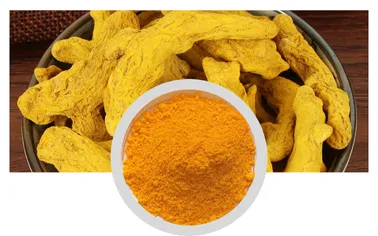
curcuma a 95
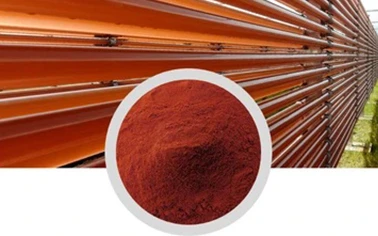
Curcumin Turmeric Root Extract Powder Curcuminoids 95% is an industry-leading botanical extract known for its exceptional purity, advanced manufacturing, and robust applicability across health, pharmaceutical, food, cosmetic, and industrial segments. Here, we explore its market trends, technical metrics, manufacturing process, application cases, and competitive insights to empower procurement and
inj ca gluconate
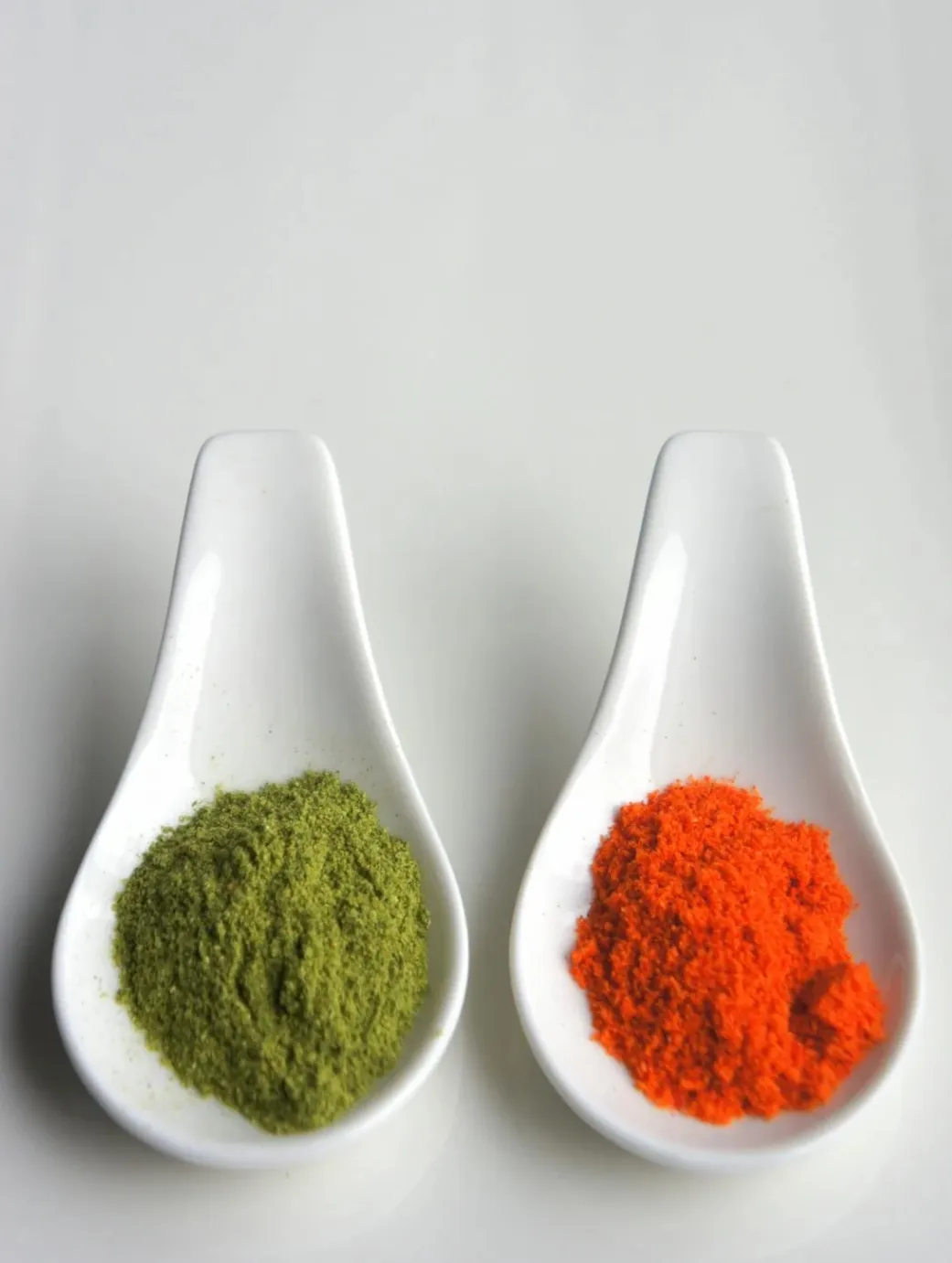
Alpha-Glycerophosphocholine (Alpha-GPC) has emerged as a critical compound in both the pharmaceutical and sports nutrition industries. As a cholinergic agent, it plays a pivotal role in cognitive function and athletic performance. This article provides an in-depth analysis of Alpha GPC, including its technical specifications, applications, and the company behind its production: Hebei Finutra Biote
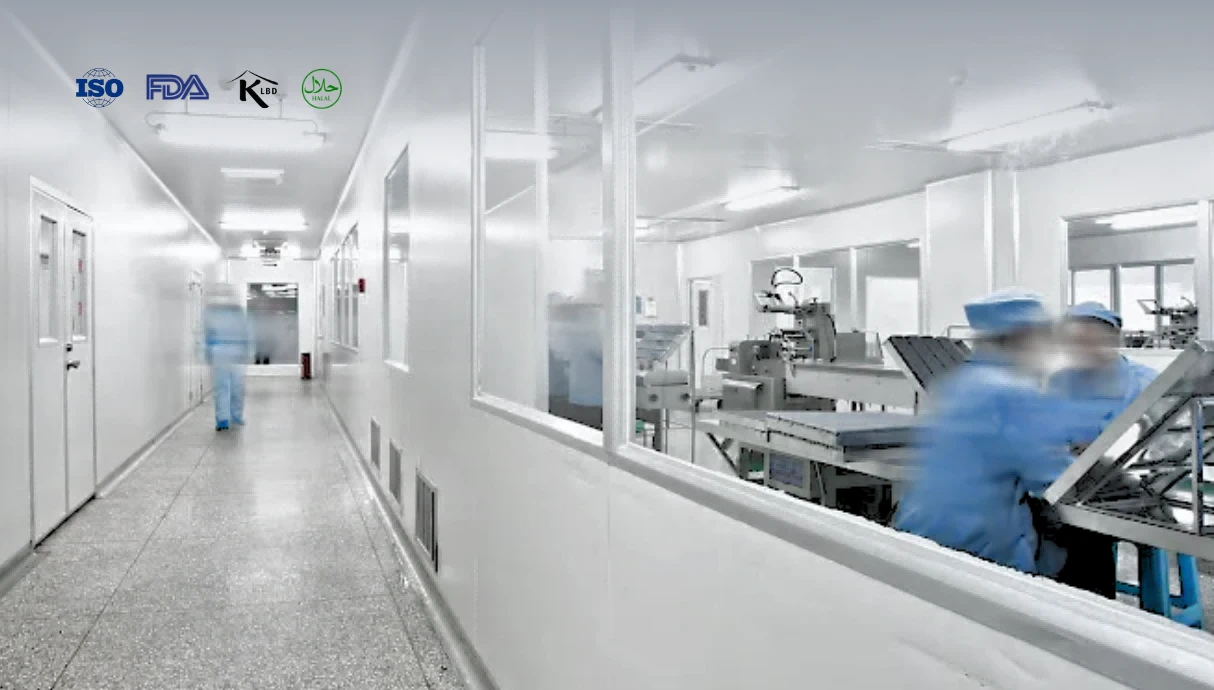
Authoritative Certification
Continuous Innovation, Customer First
Enhance core competitiveness to bring customers better products and services,
Each of these is the result of our team's relentless pursuit of excellence
and our deep commitment to social responsibility.

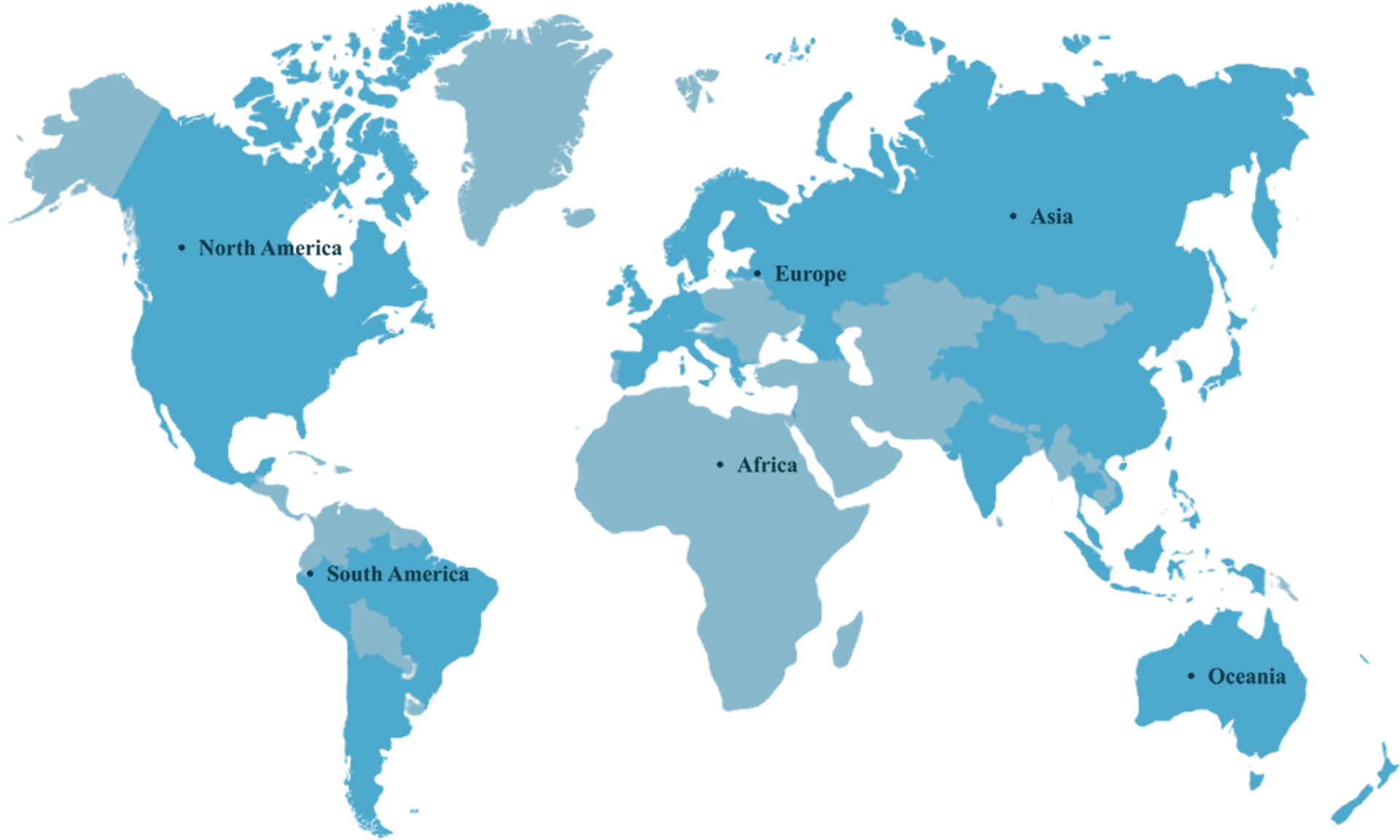
Global
Reach
FINUTRA has over 350,000 square feet of manufacturing and warehouse
space worldwide.
Industries We Serve
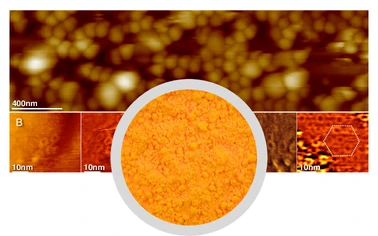
Advanced molecular distillation and microencapsulation
technology. Extremely bioavailable
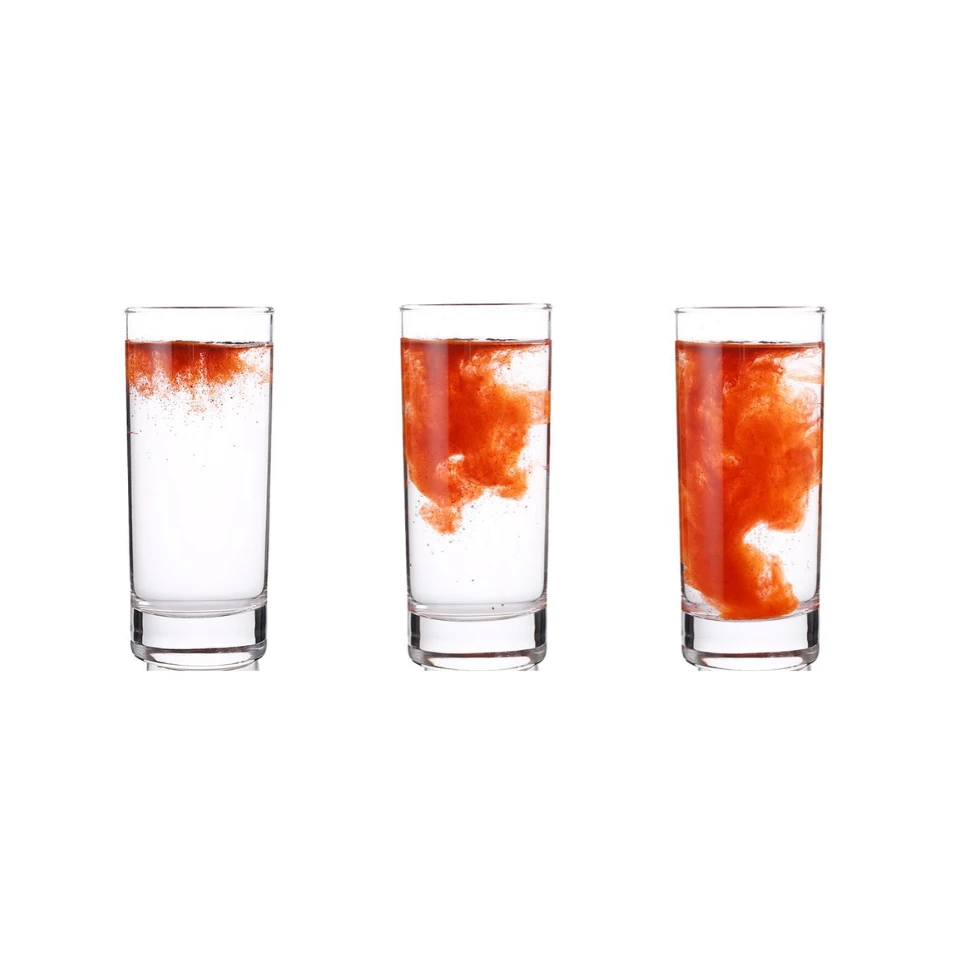
trace carotenoids Intuitively soluble.
STAY UPDATED
Receive special offers and first look at new
products.
products.


Building 23B1, No.2 Yuanboyuan St., Zhengding Area of China (Hebei) Pilot Free Trade Zone
QUICK LINK
Finutra devotes to be an integrated supplier for global supply chain, we offer a broad array of raw
materials and functional ingredients as a manufacturer, distributor and supplier for global Beverage,
Nutraceutical, Food, Feed and Cosmeceutical.
Copyright © 2025 Hebei Finutra
Biotech Co.,
Ltd. All
Rights Reserved.
Privacy Policy


